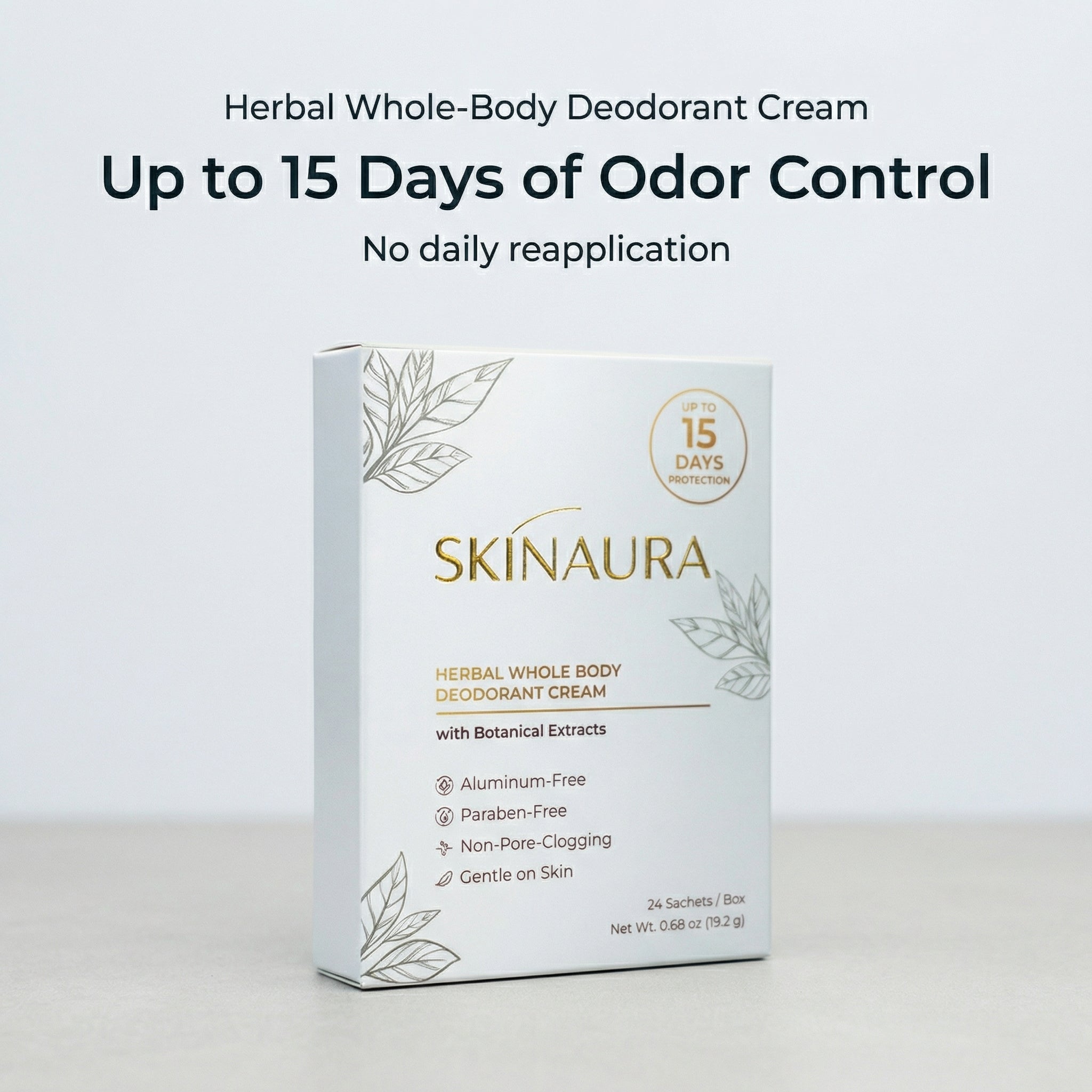
For decades, deodorant was considered a product strictly for underarms. That assumption shaped how products were formulated, marketed, and used. But body odor has never been limited to one area of the body. As lifestyles changed, so did expectations — and this is where whole body deodorants entered the conversation.
Whole body deodorant is not a trend for the sake of novelty. It is a response to how people actually live, move, and experience odor in daily life.
Why Body Odor Isn’t Limited to Underarms
Underarms are the most commonly discussed area when it comes to odor, but they are far from the only one. Odor can develop anywhere external factors combine over time, including:
Feet, inner thighs, and other external areas exposed to friction or moisture can all develop odor, especially during long days, travel, or physical activity.
Traditional deodorants were never designed to address this broader reality.
What a Whole Body Deodorant Actually Is
A whole body deodorant is formulated to be used on multiple external body areas, not just underarms. The key distinction is not where it can be applied, but how the formula behaves.
Whole body deodorants are typically:
-
Gentler in application
-
Designed for targeted use
-
Suitable for external areas beyond underarms
-
Focused on odor control rather than sweat blocking
This makes them more versatile than traditional sticks or sprays.
Whole Body Deodorant vs Traditional Deodorant
Traditional deodorants are optimized for a single use case: underarms, daily application, quick refresh.
Whole body deodorants take a different approach:
-
They are applied only where needed
-
They are not tied to a daily routine
-
They are designed for flexibility rather than repetition
This difference matters for people whose odor concerns are not limited to a single area or time of day.
Why Cream Formats Are Common for Whole Body Deodorants
Cream deodorants are particularly well-suited for whole body use.
Precision
Creams allow controlled, targeted application. This is important when applying deodorant to areas beyond underarms.
Absorption
Cream formulas are designed to absorb into the skin rather than sitting on the surface. This supports longer-lasting effectiveness and reduces transfer to clothing.
Comfort
Cream deodorants often feel lighter and less noticeable once absorbed, making them suitable for areas where comfort matters.
Because of these advantages, cream formats are commonly used in whole body deodorants.
Where Whole Body Deodorant Can Be Applied
Whole body deodorants are intended for external use only. Common areas include:
It is important to follow product instructions and avoid broken or irritated skin.
Why Whole Body Deodorants Are Becoming More Popular
Several lifestyle shifts are driving interest in whole body deodorants.
Active lifestyles
People move more throughout the day, spend more time on their feet, and experience odor in places traditional deodorants don’t address.
Travel and long days
When access to showers or frequent reapplication is limited, whole body deodorants offer added confidence.
Minimalist routines
Consumers increasingly prefer products that serve multiple purposes rather than cluttering routines with multiple specialized items.
Whole body deodorants align with all of these trends.
Long-Lasting Whole Body Deodorants: A Natural Pairing
Whole body deodorants and long-lasting deodorants often overlap — and for good reason.
If a product can be used on multiple body areas, it makes sense for it to last longer. Frequent reapplication across multiple areas would defeat the purpose of convenience.
Long-lasting whole body deodorants are designed to:
This combination is particularly appealing for people who value efficiency.
How to Use Whole Body Deodorant Correctly
Proper use plays a critical role in performance.
Step 1: Start with clean, dry skin
Applying deodorant to clean skin helps maximize effectiveness.
Step 2: Apply only where needed
Whole body deodorants are designed for targeted use. More is not better.
Step 3: Allow time for absorption
Cream formulas need time to absorb fully. Avoid washing or heavy friction immediately after application.
Step 4: Reapply only when necessary
Whole body deodorants are not designed for constant reapplication. Apply again only if needed.
Common Mistakes When Using Whole Body Deodorant
Applying too much
Overapplication can reduce comfort and does not improve performance.
Applying to damp skin
Moisture can interfere with absorption.
Treating it like a daily spray
Whole body deodorants are designed for flexibility, not habit-driven use.
Avoiding these mistakes improves overall results.
Is Whole Body Deodorant Safe?
Whole body deodorants are cosmetic products designed for external use. As with any cosmetic product, individual skin sensitivity should be considered.
Patch testing before first use is recommended, especially for those with sensitive skin.
Whole Body Deodorant and Modern Body Care
Whole body deodorants represent a shift away from rigid routines and single-purpose products. They reflect how people actually live: moving, traveling, working long days, and seeking comfort without constant maintenance.
Rather than forcing odor control into a narrow box, whole body deodorants offer a broader, more realistic solution.
Final Thoughts
Whole body deodorant exists because body odor does not follow a single pattern or location. By offering flexibility, targeted application, and extended effectiveness, whole body deodorants provide a modern alternative to traditional underarm-only products.
For people who want confidence beyond a daily routine — and beyond a single body area — whole body deodorants make sense.