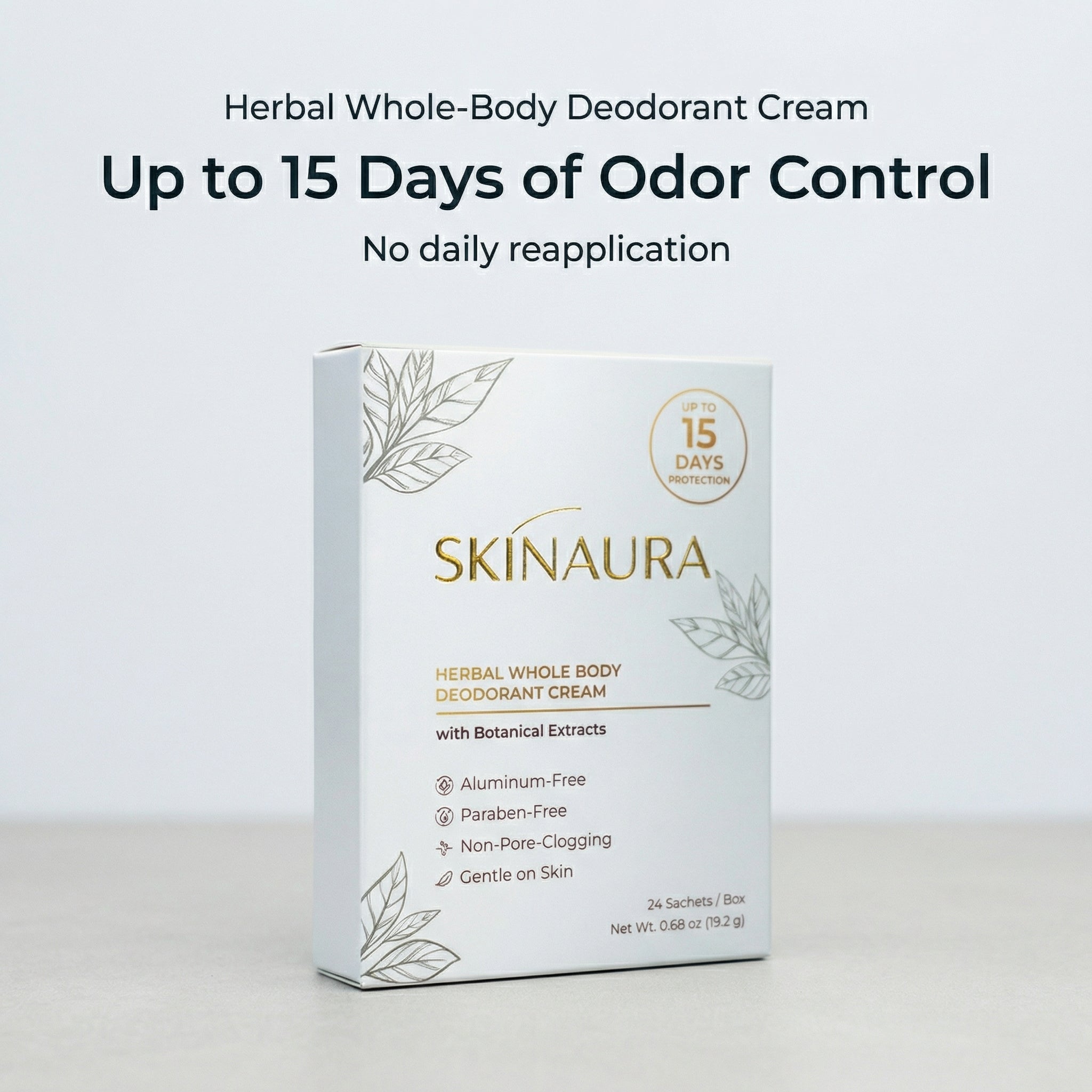
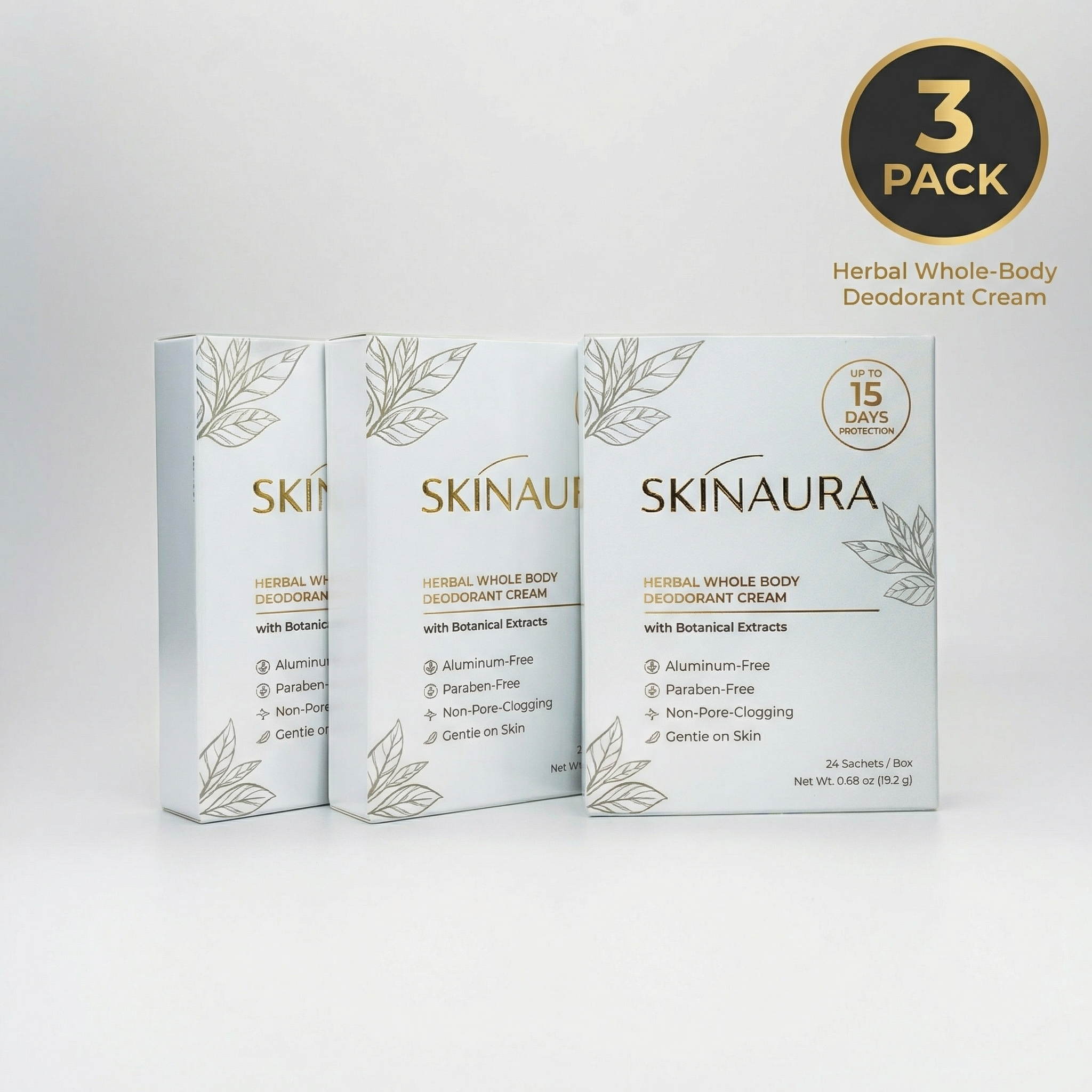
In recent years, the phrase “botanical extracts” has become increasingly common on personal care packaging. Deodorants, skincare products, and body creams now frequently highlight botanical ingredients as part of their formulas. But what does “botanical extracts” actually mean in a deodorant — and why has this term become so important?
Understanding the role of botanical extracts helps separate meaningful formulation choices from empty buzzwords and gives consumers a clearer picture of what they are using on their skin.
What Are Botanical Extracts?
Botanical extracts are ingredients derived from plants, typically obtained through controlled extraction processes that isolate specific compounds from leaves, roots, bark, flowers, or seeds.
In cosmetic products, botanical extracts are used not as raw plant material, but as refined components that can be consistently blended into a formulation. This allows manufacturers to balance plant-based ingredients with modern cosmetic science.
Importantly, botanical extracts are ingredients, not complete products. They are part of a broader formulation rather than a standalone solution.
Botanical Extracts vs “Natural” Claims
One of the most common misconceptions is that “botanical” automatically means “100% natural.” This is not the case.
A product containing botanical extracts:
-
Is not necessarily fully natural
-
Is not automatically organic
-
Does not exclude synthetic or lab-formulated ingredients
Botanical extracts are used alongside stabilizers, emulsifiers, and other cosmetic ingredients to ensure performance, shelf life, and consistency.
This distinction matters because responsible brands avoid exaggerated claims and focus instead on transparency.
Why Brands Include Botanical Extracts in Deodorants
Botanical extracts are used in deodorants for several practical reasons.
Supporting a balanced formulation
Botanical extracts allow formulators to build deodorants that feel refined rather than harsh. They are often selected to complement the overall sensory experience of the product.
Aligning with consumer preferences
Many consumers actively seek products that feel more thoughtful and modern. Botanical ingredients help meet this expectation without sacrificing performance.
Enhancing product perception
Botanical extracts contribute to a cleaner, more premium feel compared to overly synthetic or fragrance-heavy formulations.
In deodorants, botanical extracts are rarely used alone. They work as part of a broader system.
The Role of Botanical Extracts in Modern Deodorant Design
Modern deodorants are no longer just about masking odor with fragrance. Instead, they aim to support freshness over time while maintaining comfort.
Botanical extracts fit into this approach by:
-
Supporting long-term product performance
-
Contributing to a lighter sensory feel
-
Helping create a balanced cosmetic profile
This makes them especially suitable for long-lasting deodorant creams designed for non-daily use.
Botanical Extracts and Long-Lasting Deodorants
Long-lasting deodorants require formulas that remain effective without frequent reapplication. Botanical extracts are often chosen because they integrate well into concentrated cream formats.
When combined with modern cosmetic ingredients, botanical extracts help support deodorants designed to:
This makes botanical-based formulations a natural fit for deodorants that prioritize durability over repetition.
Common Botanical Extracts Found in Deodorants
While formulations vary by brand, many deodorants use botanical extracts derived from:
-
Roots
-
Bark
-
Flowers
-
Leaves
These extracts are selected for their compatibility with cosmetic formulations rather than for medicinal purposes.
It is important to note that botanical extracts in deodorants are not included to treat or cure conditions. They are cosmetic ingredients used to support freshness and comfort.
Why “With Botanical Extracts” Is a Responsible Claim
From a regulatory and consumer-trust perspective, the phrase “with botanical extracts” is intentionally precise.
It communicates that:
-
Botanical ingredients are part of the formula
-
The product is not claiming to be fully botanical or natural
-
The formulation balances plant-derived and modern cosmetic ingredients
This type of language avoids misleading impressions while still being informative.
Botanical Extracts vs Essential Oils
Botanical extracts are often confused with essential oils, but they are not the same.
Essential oils are typically more concentrated and fragrance-driven. Botanical extracts, on the other hand, are selected for their compatibility with cosmetic formulas and overall product balance.
Many deodorants prefer botanical extracts because they allow greater control over texture, absorption, and longevity.
Why Consumers Trust Botanical-Based Formulations
Trust in personal care products is increasingly tied to clarity rather than extremes.
Consumers are more likely to trust products that:
-
Explain what ingredients are included
-
Avoid exaggerated “all-natural” claims
-
Present a balanced formulation philosophy
Botanical extracts support this trust by fitting into a middle ground — neither overly synthetic nor unrealistically “pure.”
Botanical Extracts and Skin Comfort
Comfort is a key consideration for any deodorant, especially those designed for long-lasting use.
Botanical extracts are often chosen because they integrate smoothly into formulas that:
This makes them particularly relevant for whole body deodorants and non-daily deodorant routines.
Misconceptions About Botanical Deodorants
“Botanical deodorants don’t work as well”
Effectiveness depends on formulation, not ingredient origin.
“Botanical means weak”
Modern cosmetic formulations combine botanical extracts with advanced ingredients to maintain performance.
“Botanical deodorants are medical or therapeutic”
They are cosmetic products, not treatments.
Understanding these distinctions helps set realistic expectations.
How to Evaluate a Deodorant With Botanical Extracts
When choosing a deodorant that highlights botanical extracts, consider:
-
How clearly the brand explains its formulation
-
Whether claims focus on freshness rather than treatment
-
Whether the product fits your lifestyle and routine
Botanical extracts should support the product’s purpose, not distract from it.
Final Thoughts
Botanical extracts play an important role in modern deodorant design, offering a balanced way to combine plant-derived ingredients with contemporary cosmetic science.
Rather than promising miracles or relying on extremes, deodorants formulated with botanical extracts focus on comfort, longevity, and thoughtful design. For consumers seeking long-lasting freshness without daily routines, botanical-based deodorants represent a practical and transparent choice.