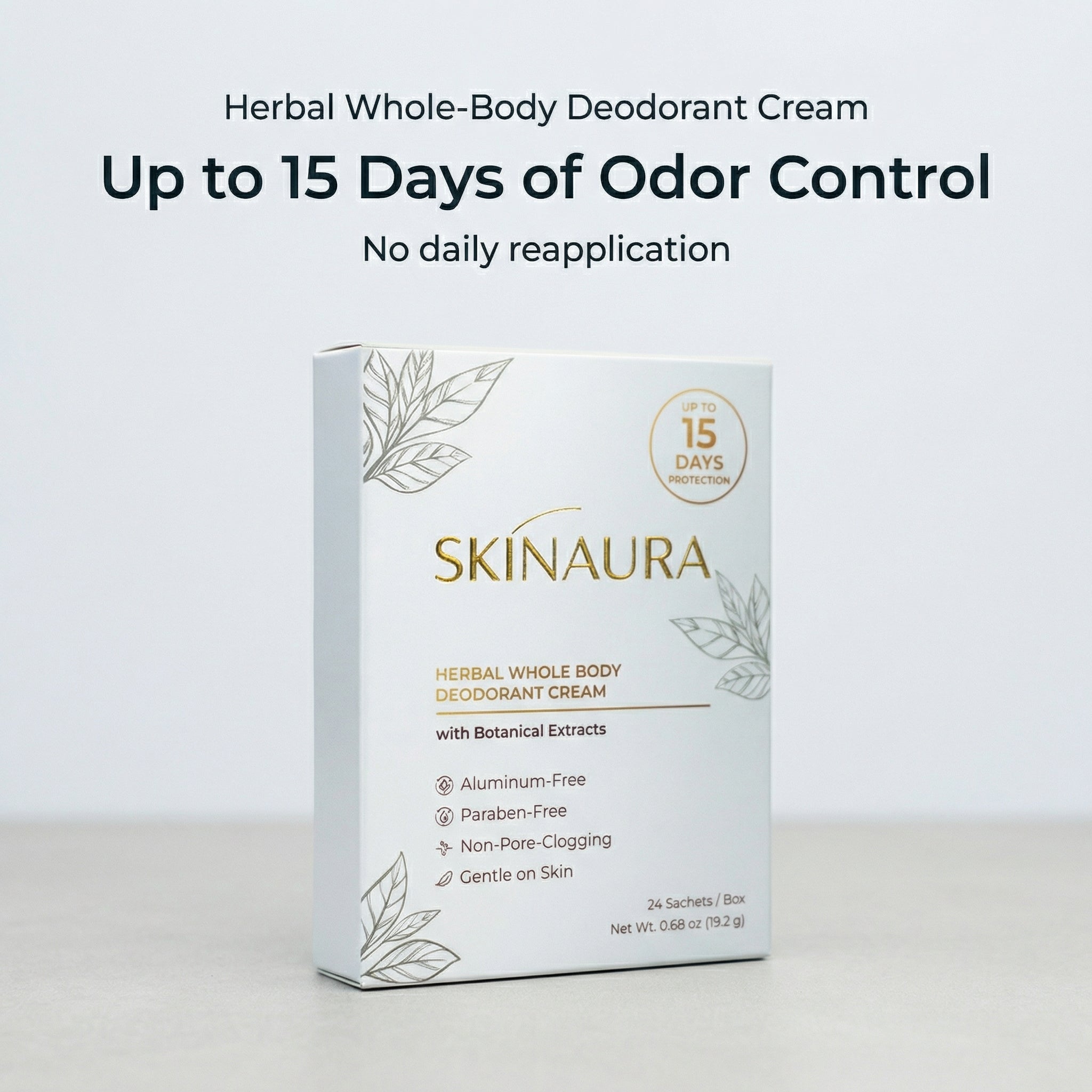
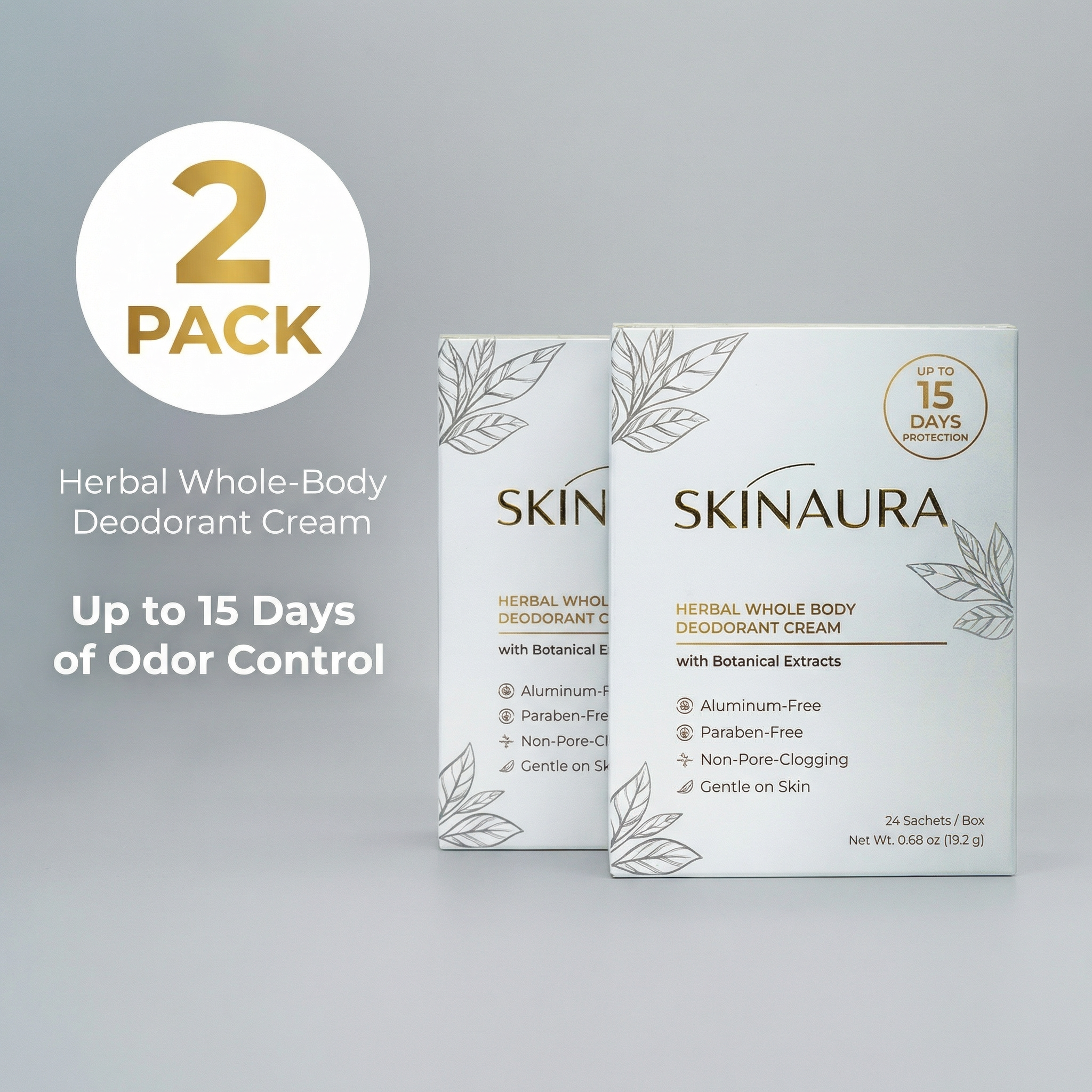
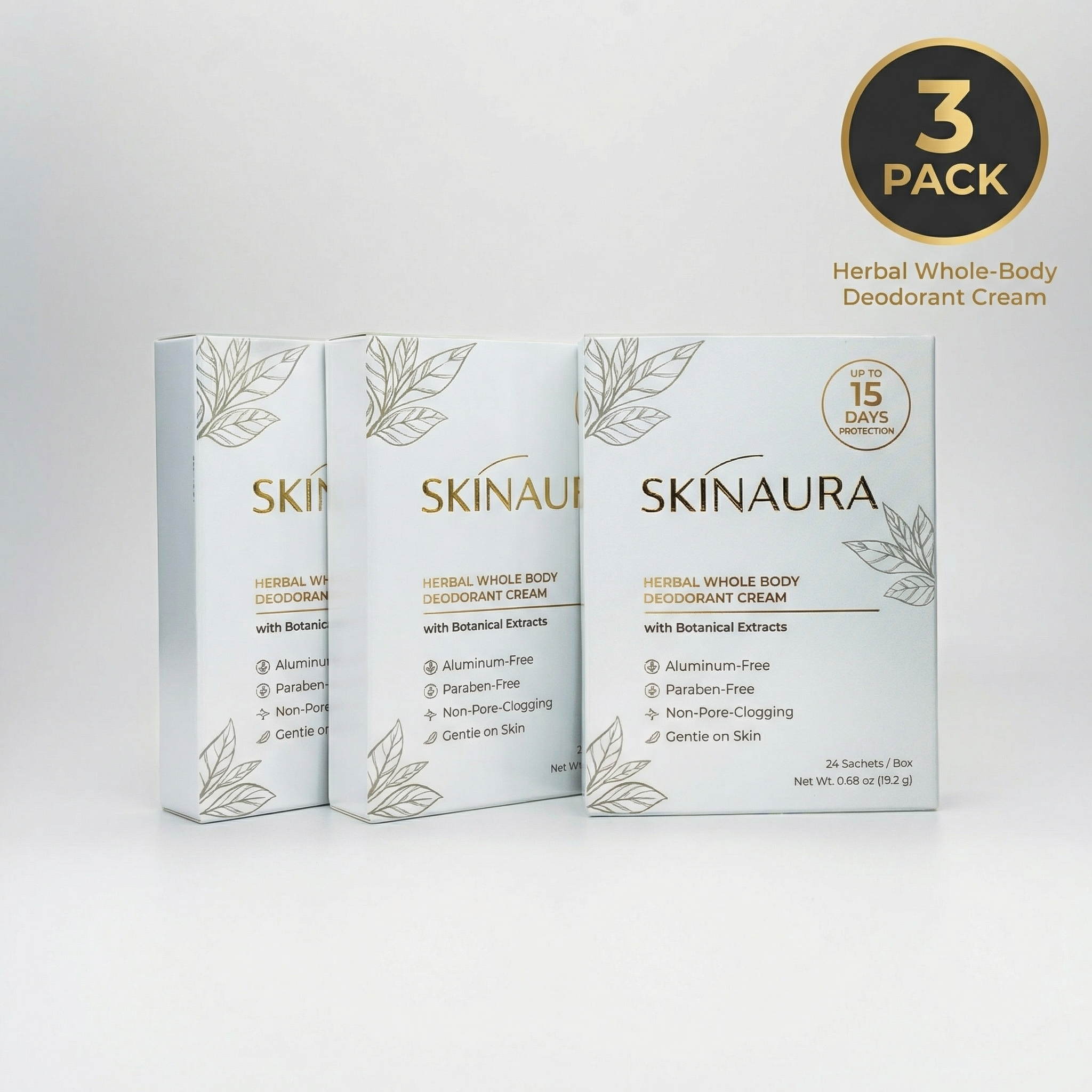
The words “deodorant” and “antiperspirant” are often used interchangeably, but they describe two fundamentally different types of products. While both are designed to address body odor, they do so in very different ways — and understanding the distinction can help people make more informed choices about what they put on their skin.
In recent years, many consumers have begun to question whether antiperspirants are necessary at all, especially as deodorant formulations continue to evolve.
What a Deodorant Is Designed to Do
A deodorant’s primary purpose is odor control.
Deodorants are cosmetic products formulated to help manage the smell associated with body odor. They do not stop sweating. Instead, they focus on keeping you feeling fresh without interfering with the body’s natural processes.
Modern deodorants are often designed to:
-
Support long-lasting freshness
-
Reduce the need for frequent reapplication
-
Feel lightweight and comfortable on the skin
This makes deodorants suitable for people who want odor control without blocking perspiration.
What an Antiperspirant Is Designed to Do
Antiperspirants work differently.
Their primary function is to reduce sweating, not just odor. They achieve this by temporarily affecting the body’s sweat response in targeted areas, typically underarms.
Because antiperspirants alter perspiration, they are regulated differently from deodorants and are classified separately in many markets.
This regulatory distinction is one of the reasons brands are careful about how products are labeled and marketed.
Why Deodorants and Antiperspirants Are Not the Same
Although both products are often used for similar reasons, their goals are not identical.
Deodorants:
Antiperspirants:
-
Aim to reduce perspiration
-
Affect how sweat is produced or released
-
Are regulated differently
Understanding this difference helps consumers choose products aligned with their preferences and comfort levels.
Why Many People Are Choosing Deodorants Over Antiperspirants
In recent years, deodorants have gained renewed interest as people rethink their personal care routines.
Some common reasons include:
-
A preference for allowing natural sweating
-
Desire for simpler cosmetic products
-
Interest in non-daily routines
-
Comfort with long-lasting deodorant formulas
Deodorants offer odor control without altering the body’s natural cooling process.
Long-Lasting Deodorants and the Shift in Expectations
Traditional deodorants were often seen as short-term solutions, requiring daily application. Long-lasting deodorants challenge that assumption.
Instead of focusing on daily repetition, these products are designed to:
This shift makes deodorants a more appealing alternative for those who do not need sweat reduction.
When Antiperspirants May Still Make Sense
Antiperspirants are not inherently bad or unnecessary. For some individuals and situations, they remain useful.
Examples include:
-
Extremely high perspiration levels
-
Specific professional or performance settings
-
Personal preference for reduced sweating
The key point is that antiperspirants are a choice — not a requirement for everyone.
Deodorant, Sweat, and Body Odor: Clearing Up Confusion
A common misconception is that sweat itself causes odor. In reality, odor develops over time as sweat interacts with external factors.
Deodorants are designed to address this outcome — the odor — rather than the process of sweating itself.
Understanding this distinction helps explain why deodorants can be effective without stopping sweat.
Choosing Between Deodorant and Antiperspirant
The choice depends on personal needs and lifestyle.
You may prefer a deodorant if:
-
You are comfortable with natural sweating
-
You want a cosmetic solution rather than a regulated product
-
You prefer non-daily routines
You may prefer an antiperspirant if:
-
Reducing sweat is a priority
-
You experience heavy perspiration
-
You prefer traditional daily routines
There is no universally correct option — only what works best for you.
Whole Body Deodorants and This Comparison
Whole body deodorants further highlight the difference between deodorants and antiperspirants.
Because whole body deodorants are designed for multiple external areas, they focus on odor control and comfort rather than sweat reduction. This makes deodorants more adaptable for broader use.
Antiperspirants, by contrast, are typically limited to underarms.
Why Understanding the Difference Matters
Knowing the difference between deodorant and antiperspirant helps consumers:
-
Avoid confusion when shopping
-
Set realistic expectations
-
Choose products aligned with their preferences
Clear labeling and honest communication are essential for building trust.
How Product Labels Reflect This Difference
Responsible brands are careful to:
This transparency helps consumers make informed decisions.
Final Thoughts
Deodorants and antiperspirants are designed to solve different problems. Neither is inherently better — they simply serve different needs.
As deodorant formulations evolve, long-lasting deodorants offer a compelling alternative for people who want odor control without interfering with natural sweating.
Understanding the difference allows you to choose the option that fits your lifestyle, comfort level, and personal care philosophy.